Sea Shells Seamless Pattern
A Designer’s First Impression: Soft, Cohesive, and Quietly Confident
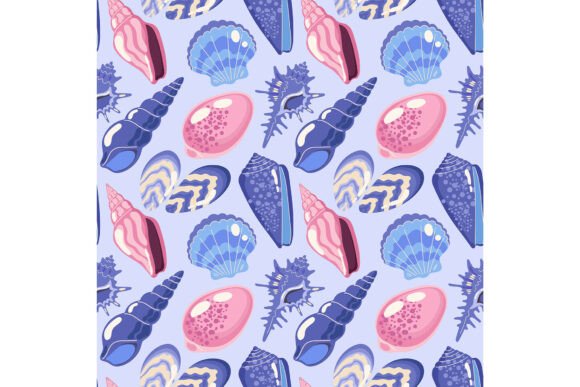
When I opened Sea Shells Seamless Pattern, I didn’t just see a repeat—it felt like stepping onto a sun-warmed beach at low tide. The balance of conches, scallops, tiny starfish, and subtle marine curves is intentional, not cluttered. No single shell dominates; instead, they nestle into each other with gentle spacing that breathes on fabric. That pastel palette—ocean blue, lavender, and soft pink—isn’t cutesy or saccharine. It reads as calm, thoughtful, and quietly sophisticated. For embroidery designers and small shop owners, this isn’t “beachy” in a kitschy way—it’s coastal *aesthetic*, the kind that translates well to boutique baby blankets, linen aprons, or minimalist tote bags meant to last seasons.
Where It Shines: Real Projects, Real Customers
I tested Sea Shells Seamless Pattern as the main motif for a custom embroidered linen tea towel—intended for a local kitchenware pop-up. On medium-weight woven fabric with light cutaway stabilizer, the repeat stitched cleanly across the 5×7 hoop without visible seams or distortion. The design’s moderate detail level held up beautifully: conch spirals read clearly in satin stitch, while smaller shells used balanced fill stitch density—not so dense it puckered, not so sparse it looked unfinished. Customers responded immediately: “It feels handmade but polished,” one said. “Like something I’d gift my sister who loves the ocean but hates clichés.”
This pattern works especially well for:
- Custom apparel—think sweatshirt cuffs, back yokes, or sleeve bands where the repeat adds rhythm without overwhelming
- Baby embroidery—on organic cotton onesies or swaddle blankets, its gentle scale and soothing colors support quiet nursery branding
- Embroidered patch production—as a background fill behind a monogram or small anchor motif, it adds depth without competing
- Etsy seller assets—it layers seamlessly into printable mockups for digital embroidery files or craft business listings, giving instant visual cohesion
- Holiday and wedding gifts—stitched onto linen pillow covers or hand towels, it reads as personal, not mass-produced
Where to Pause—and Why
Not every surface welcomes a seamless repeat equally. With Sea Shells Seamless Pattern, I noticed three key considerations:
- Small hoop sizes (under 4×4): The repeat relies on flow, not isolated motifs. Truncating it too tightly loses its rhythm. If you’re stitching on a cap visor or tiny pocket, consider extracting one shell cluster instead of forcing the full repeat.
- Stretchy or textured fabrics: On lightweight jersey or terry cloth, the fine lines between shells can blur during stitching. Use tear-away + topping combo, and reduce stitch speed. Test first—you’ll want those delicate edges crisp, not feathered.
- Dark or heavily patterned backgrounds: Those soft pastels need contrast to land. On charcoal sweatshirts or busy gingham, the lavender and pale pink may recede unless you boost thread brightness (e.g., using high-sheen rayon) or add a subtle white underlay.
What It Adds to Your Finished Product—Beyond Pretty
As a designer who ships hundreds of embroidered items yearly, I pay attention to what makes a product feel *valuable*—not just visually appealing. Sea Shells Seamless Pattern elevates perceived craftsmanship because its repeat is truly seamless: no jarring jumps, no awkward gaps. That consistency builds trust. When a customer sees the same gentle flow on both sides of a pillow cover—or repeated across a set of matching kitchen towels—they subconsciously register care, intention, and professionalism.
For Etsy sellers and craft fair vendors, this matters deeply. A cohesive, mood-aligned pattern like this helps unify your shop identity—especially if you pair it with complementary designs (e.g., a simple anchor icon or script monogram). It also supports giftability: people buy handmade products not just for function, but for emotional resonance. This pattern whispers “calm,” “care,” and “thoughtful detail”—qualities that sell themselves at checkout.
Practical Notes from the Hoop
Before committing to a client order or bulk run, here’s what I always do with a new seamless pattern like Sea Shells Seamless Pattern:
- Test on scrap fabric—same weight, same color, same stabilizer as the final project
- Check thread color contrast in natural light *and* under warm bulb light (many pastels shift dramatically)
- Review stitch density in the software preview—look for any micro-areas where fill stitches might overheat thin fabric
- Confirm licensing before selling finished items or bundling it into digital embroidery files—this is a Graphics asset, so usage rights matter for commercial embroidery
- Try a black-and-white mockup first—seamless patterns can look busier or quieter than expected when stripped of color
- Use proper stabilizer: light cutaway for wovens, cutaway + topping for knits, and avoid heavy fusibles that mute the softness of the palette
Also worth noting: because it’s a vector-based Patterns file, scaling is flexible—but always retest after resizing. What flows at 80% scale may tighten uncomfortably at 120%, especially around conch spirals.
The Bottom Line for Makers Who Ship Real Work
Sea Shells Seamless Pattern isn’t flashy—but it doesn’t need to be. It’s the kind of design that earns repeat customers because it delivers quiet confidence: in its balance, its restraint, and its ability to make even simple items feel considered and special. Whether you’re embroidering a single personalized gift or building a small shop’s seasonal collection, this pattern holds space for your voice—not the other way around. Just remember: let the fabric guide you, test before you commit, and trust that sometimes, the most effective design decisions are the softest ones.